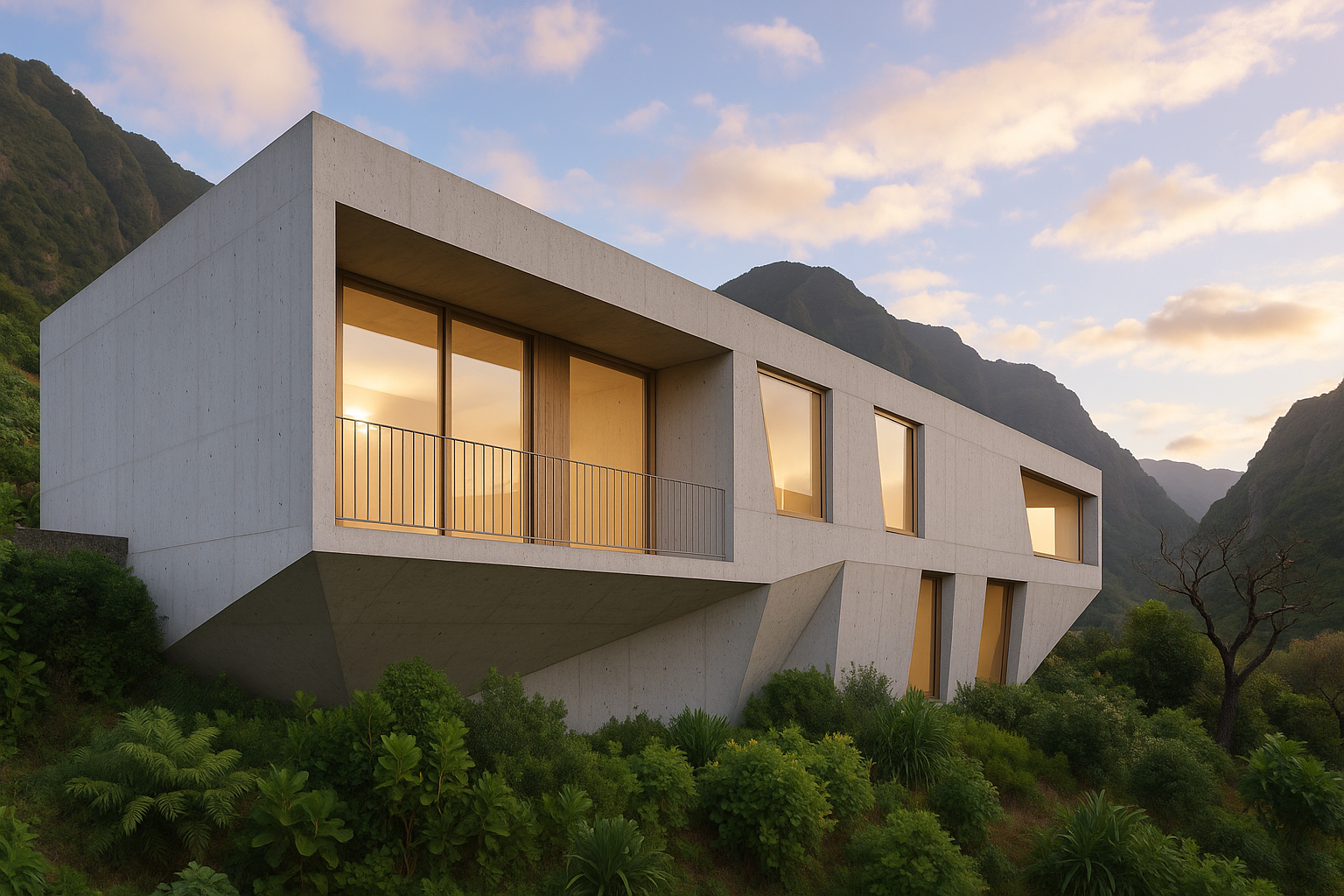
The first mistake many overseas clients make is starting with imagery rather than structure. They collect references, speak to builders too early, or push for pricing before scope is stable. Portugal rewards patience and order. A project moves better when the brief, site constraints, budget assumptions, and decision-making hierarchy are clear before design accelerates.
1. Sequence matters more than urgency
Local processes can feel slow if you arrive expecting everything to move at the speed of intention. Licensing, consultant coordination, municipal interpretation, and contractor timing all have their own rhythm. The goal is not to force speed where it does not exist. The goal is to remove ambiguity so the project does not keep restarting itself.
That usually means establishing a realistic path from briefing to approvals, then from approvals to tendering, and only then from tendering to construction. Compressing those phases often produces more delay, not less.
2. Choose one center of decision
International projects often involve multiple family members, remote stakeholders, or advisers in different countries. If every milestone remains open to reinterpretation, the project will drift. One person needs authority to close decisions. That does not reduce collaboration. It protects momentum.
A well-run project is not just a set of drawings. It is a chain of decisions that remain stable long enough for builders, consultants, and licensing teams to respond coherently.
3. Budget for translation, coordination, and contingency
Clients often budget for the visible parts of the work and underestimate the invisible ones: consultant alignment, site visits, specification revision, contractor clarification, and the time it takes to translate intent into something buildable under local conditions. Those are not administrative extras. They are part of delivery.
If the project is remote, this becomes even more important. The cost of unclear decisions is always higher than the cost of careful coordination.
4. Build trust before complexity
A Portuguese renovation or new build succeeds when the right level of complexity is introduced at the right time. It is better to begin with a strong core idea and a disciplined team structure than with too many gestures. When trust is established, complexity can be added intelligently.
That is one reason I prefer to frame architecture for international clients as guided translation: translating goals into local processes, translating design intent into execution, and translating daily life into a built environment that still feels calm once the novelty wears off.